Ourika Valley Day Trip: Your Complete Guide to Waterfalls, Berber Villages & Essential Travel Tips
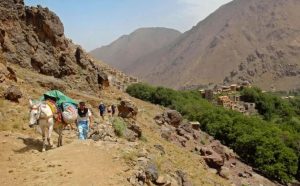 Imagine leaving behind Marrakech’s buzzing medinas and arriving, just one hour later, in a lush mountain valley where crystal rivers rush past terraced Berber villages and snow-capped Atlas peaks tower overhead. That’s the magic of an Ourika Valley day trip — one of the best and most accessible escapes from Morocco’s red city.
This Ourika Valley travel guide covers everything you need: when to go, how to get there, what to do, where to eat, and how to stay safe.
What Is the Ourika Valley?
The Ourika Valley stretches approximately 30 kilometers into the High Atlas Mountains, beginning just 60 km (37 miles) south of Marrakech. The valley follows the Ourika River, which flows year-round fed by snowmelt and mountain springs. Elevation ranges from 800 meters at the valley entrance to over 2,000 meters on higher trails, creating dramatically cooler temperatures than the city — often 10–15°C cooler in summer.
Berber communities have farmed these terraced hillsides for over a thousand years using ancient irrigation channels called seguia. The valley remains refreshingly authentic compared to more commercialized Moroccan destinations, making every Marrakech to Ourika Valley excursion feel like a genuine discovery.
Best Time to Visit
| Season | Temp Range | Highlights | Drawbacks |
|---|---|---|---|
| Spring (Mar–May) | 15–25°C | Wildflowers, strong waterfalls, lush green | Muddy trails, growing crowds |
| Summer (Jun–Aug) | 25–30°C | Swimming weather, cool escape from Marrakech | Peak crowds, flash flood risk |
| Autumn (Sep–Nov) | 15–22°C | Harvest season, ideal hiking, fewer tourists | Less green than spring |
| Winter (Dec–Feb) | 5–15°C | Snow scenery, dramatic peaks, solitude | Cold, possible trail closures |
Spring is the most spectacular season, with crimson poppies covering hillsides and the Setti Fatma waterfalls roaring with snowmelt. Autumn offers the best balance of comfortable weather and quieter trails.
For timing your day, depart Marrakech by 7:30 AM. This lets you beat tour bus crowds to the waterfalls, hike in comfortable morning temperatures, and still have time for a leisurely lunch before returning. If visiting on a Monday, time your arrival at Tnine Ourika by 9:30 AM to catch the weekly Berber souk at its peak.
How to Get There from Marrakech
By private driver (recommended): Hiring a driver for the day costs €60–90 and offers the best balance of flexibility and comfort. Your driver waits while you hike, adjusts stops based on your interests, and often provides fascinating local insight. For groups of 3–4 people, the per-person cost is competitive with organized tours.
By organized tour: Half-day tours run €25–40 per person; full-day tours €35–60. Convenient and stress-free, though you’re locked into group timing and occasional commission-driven shop stops.
By grand taxi (shared): The most budget-friendly option. Shared taxis depart from Bab er-Rob station in Marrakech. Expect to pay 25–30 dirhams per person to Setti Fatma. The catch: taxis only leave when all six seats are filled, so wait times vary. Return taxis become scarce after 4:00 PM.
By car: The route via the R203 road is straightforward and in good condition all the way to Setti Fatma. Driving time is 60–75 minutes direct. Fill up with fuel in Marrakech — there are no reliable stations in the valley. Parking in Setti Fatma costs 10–20 dirhams.
The Setti Fatma Waterfalls: Main Attraction
The Setti Fatma hike is the centerpiece of any Ourika Valley day trip. Seven waterfall levels cascade up the mountainside, ranging from easy to seriously challenging.
- First waterfall (15–20 min, easy): Well-marked trail, suitable for all fitness levels. The pool here is popular for swimming in warmer months.
- Waterfalls 2–3 (additional 30–40 min, moderate): Steeper and rockier, with fewer crowds and better mountain views.
- Waterfalls 4–7 (additional 2–3 hours, challenging): Steep scrambling, slippery terrain, minimal markings. A local guide is strongly recommended for these upper cascades.
Do you need a guide? For waterfall 1, no — the trail is obvious. For waterfalls 2–3, a guide is helpful. Expect to pay 70–100 dirhams for a guide to the middle falls. Hiring a guide for even the lower waterfall is a nice way to directly support local young people, many of whom use this income for school.
Safety note: Flash floods are a real danger, especially July–August. If you see dark clouds over the peaks, the river turning brown, or water rising rapidly — exit the river immediately and move to high ground.
Exploring Berber Villages
Beyond the waterfalls, the Berber villages Morocco travelers often overlook are some of the most rewarding things to do in Ourika Valley.
Top villages to visit:
- Aghbalou — Dramatic hillside setting, traditional earthen architecture, known for walnut groves and honey
- Tnine Ourika — The valley’s commercial hub; visit on Mondays for the authentic weekly souk
- Anammer — Quieter, off the main route, with genuine local life and minimal tourist presence
If invited into a home for mint tea — and you likely will be — accept. The three-glass ritual is central to Berber hospitality. Sit cross-legged, use your right hand, and compliment the tea even if it’s intensely sweet. A small gift (pastries, school supplies, or 50–100 dirhams) is appreciated but not required.
Where to Eat
Dozens of riverside restaurants line Setti Fatma, offering traditional tagines (chicken with preserved lemon, beef with prunes) and couscous. Key tips:
- Walk through the village before choosing — quality varies significantly
- Tagines take 30–45 minutes to prepare; this is normal, not slow service
- Budget: 60–90 dirhams for a full meal with drinks
- Cash only — no card readers anywhere in the valley
- Stick to bottled water; avoid tap water and ice
Vegetarians are reasonably well-served with vegetable tagines, Berber omelettes, and salads — though always confirm no meat broth is used in cooking.
Essential Packing List
- Hiking shoes or sturdy sneakers (no flip-flops on the trails)
- 2+ liters of water per person
- Layered clothing (mornings are cool; afternoons can be warm)
- Sunscreen, hat, and sunglasses
- Cash in dirhams (500–800 dirhams per person for a full day)
- Snacks and energy food
- Camera with a dry bag or ziplock for waterfall mist protection
- Modest clothing (shoulders and knees covered, especially in villages)
Budget Breakdown
| Traveler Type | Estimated Total |
|---|---|
| Budget (grand taxi, picnic, no guide) | €13–18 |
| Mid-range (private driver, restaurant lunch, guide) | €50–62 |
| Comfort (tour, quality dining, shopping) | €80–130 |
Final Tips
The Ourika Valley from Marrakech is genuinely one of the best day trips from Marrakech — offering a complete sensory shift from city to mountain in under an hour. To make the most of your Atlas Mountains day trip Marrakech:
- Go early — beat the crowds and enjoy the best light
- Visit on a Monday if you want the Tnine Ourika market
- Hire a guide for upper waterfalls; skip one for the lower trail
- Bring more cash than you think you need
- Slow down — the valley rewards those who linger, observe, and engage
The Ourika Valley isn’t just a scenic detour. It’s a window into a way of life that has endured for centuries, and it’s waiting just an hour from your riad.